
Keshav Kumar Ray
Finance Buisness
Finance is much more than numbers; it is the story of every economic decision. Being a finance writer for ScholarsView, I examine current financial news and discuss economic concepts behind those events. The idea is to turn such complex notions as inflation, RBI decisions, banking, financial markets, corporate finance and so forth into simple and understandable knowledge. Every article addresses two main questions: What is going on? Why is it going on?
6 Subscribers
Articles by Keshav Kumar Ray

Why Are Jewellery Companies Consolidating in India? The Business Strategy Behind GRT's TBZ Acquisition
GRT Jewellers' ₹1,034-crore acquisition of TBZ is more than a takeover. It shows why companies often choose to buy an established business rather than spend years building the same capabilities from scratch.
Why Do Financial Companies Merge Their Own Subsidiaries? The Business Logic Behind Muthoot Finance's Merger
Muthoot Finance's decision to merge its wholly owned gold-loan subsidiary Muthoot Money is not an acquisition. It is a lesson in corporate structure, operational efficiency, capital allocation and why companies sometimes become stronger by becoming simpler.

Why Is Private Equity Buying India's Healthcare Businesses? The Strategy Behind KKR's $1.39 Billion Bet
KKR's acquisition of Medicover's Indian hospital business is more than a large healthcare deal. It offers a window into how private-equity firms identify fragmented markets, build scale and create value through acquisitions.
India May Grow Above 7% - But Why Is RBI More Cautious? Understanding Economic Forecasts
India's growth outlook has turned into a genuinely interesting debate. On August 10, 2026, Arvind Panagariya, Chairman of the 16th Finance Commission, said India's economy could grow 7% or more this financial year, calling the underlying conditions robust. That's a noticeably rosier read than the RBI's own latest projection of 6.7% real GDP growth for FY27, a figure the central bank raised at its August monetary policy meeting. A 0.3 percentage point gap sounds trivial. It isn't really the point, though. What it opens up is a much better question - not whether India lands at 6.7% or 7%, but why two credible people looking at the same economy can walk away with different numbers. Understanding that gap is genuinely useful, because it teaches you how to read economic headlines without taking every number at face value, and why policymakers stay cautious even when the underlying picture looks strong.
Indian IT Stocks Are Falling, But Their Businesses Are Improving. How Is That Possible?
Indian IT stocks have remained under pressure despite relatively stable Q1 FY27 results and improving deal activity. The disconnect offers an important lesson about how investors value businesses, and why a good company can sometimes have a disappointing stock price.

Why You Don't Need 51% to Control a Company: The Changing Meaning of Corporate Control in India
Ownership and control may look like the same thing, but in modern corporate governance they can be very different. India's evolving regulatory framework is forcing businesses and investors to rethink what it really means to "control" a company.
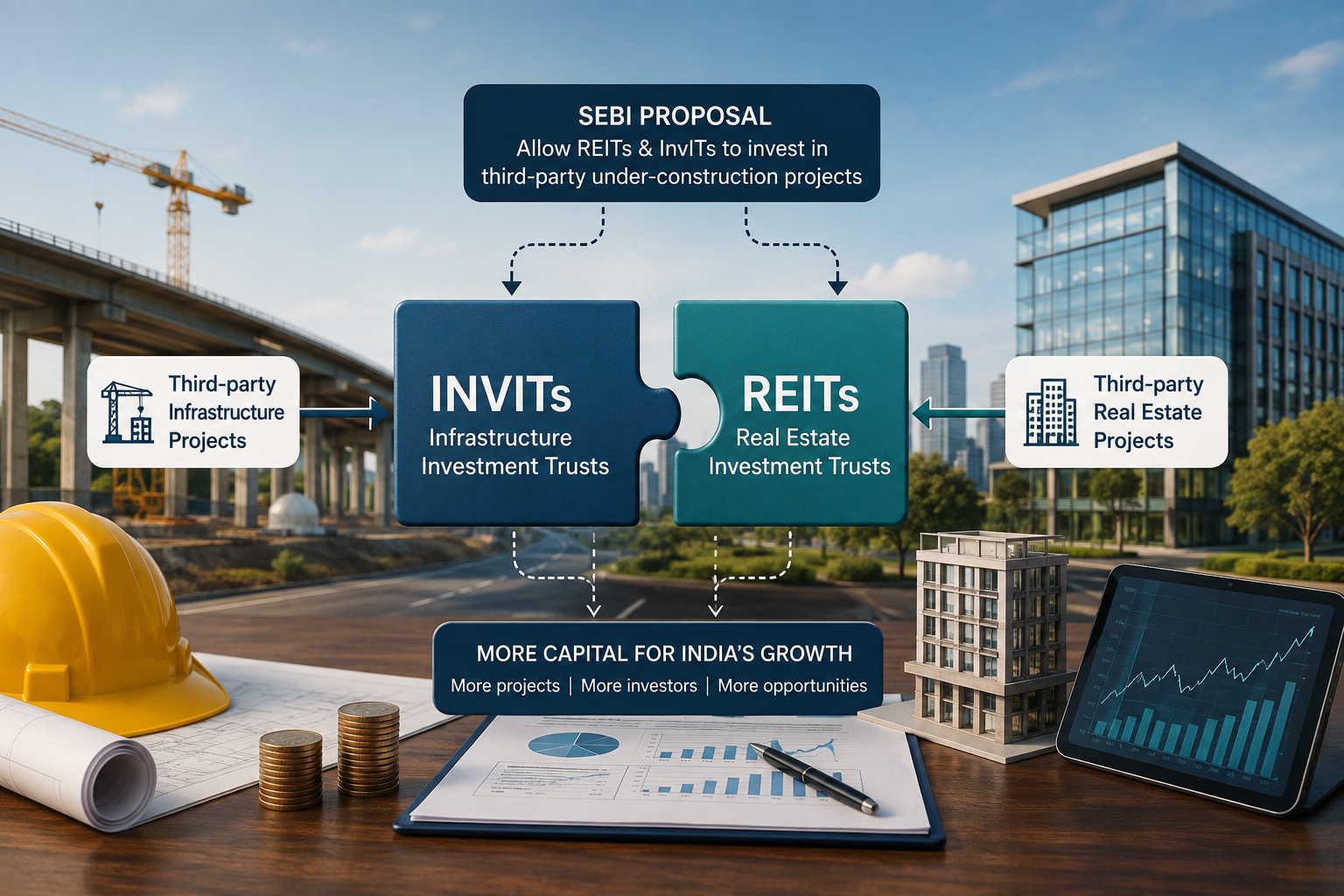
SEBI Wants REITs & InvITs to Invest in New Projects. Why It Matters
SEBI's latest proposal could give Real Estate Investment Trusts and Infrastructure Investment Trusts greater freedom to invest in third-party projects - potentially changing how India's roads, offices and other infrastructure are financed.
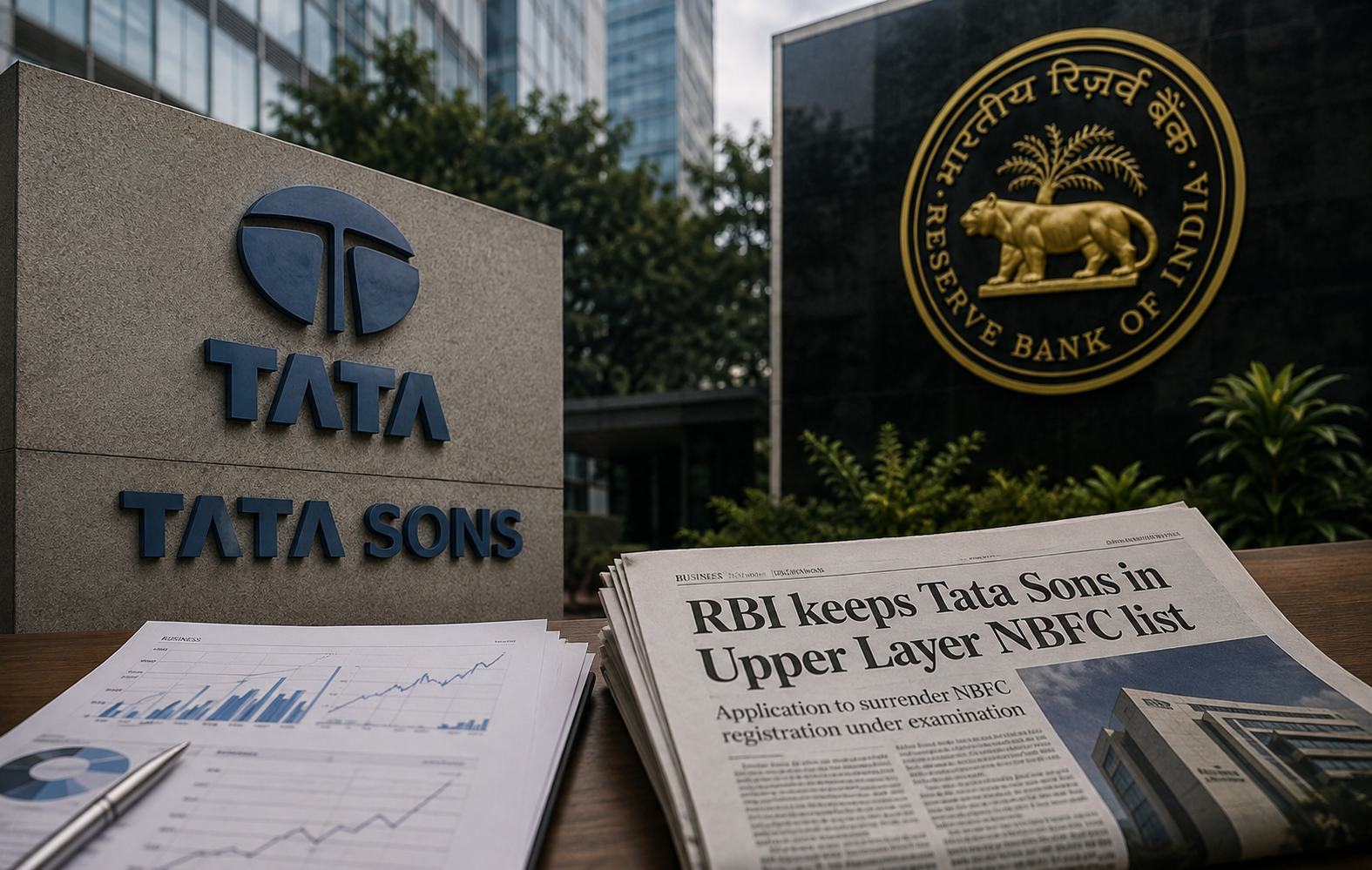
Why Is RBI Keeping Tata Sons Under Tighter Regulation? The Business Behind a Possible Tata Sons IPO
The RBI's latest decision has revived a question that could reshape one of India's most closely held business groups: does Tata Sons, the holding company at the centre of the Tata empire, eventually have to become a publicly listed company?
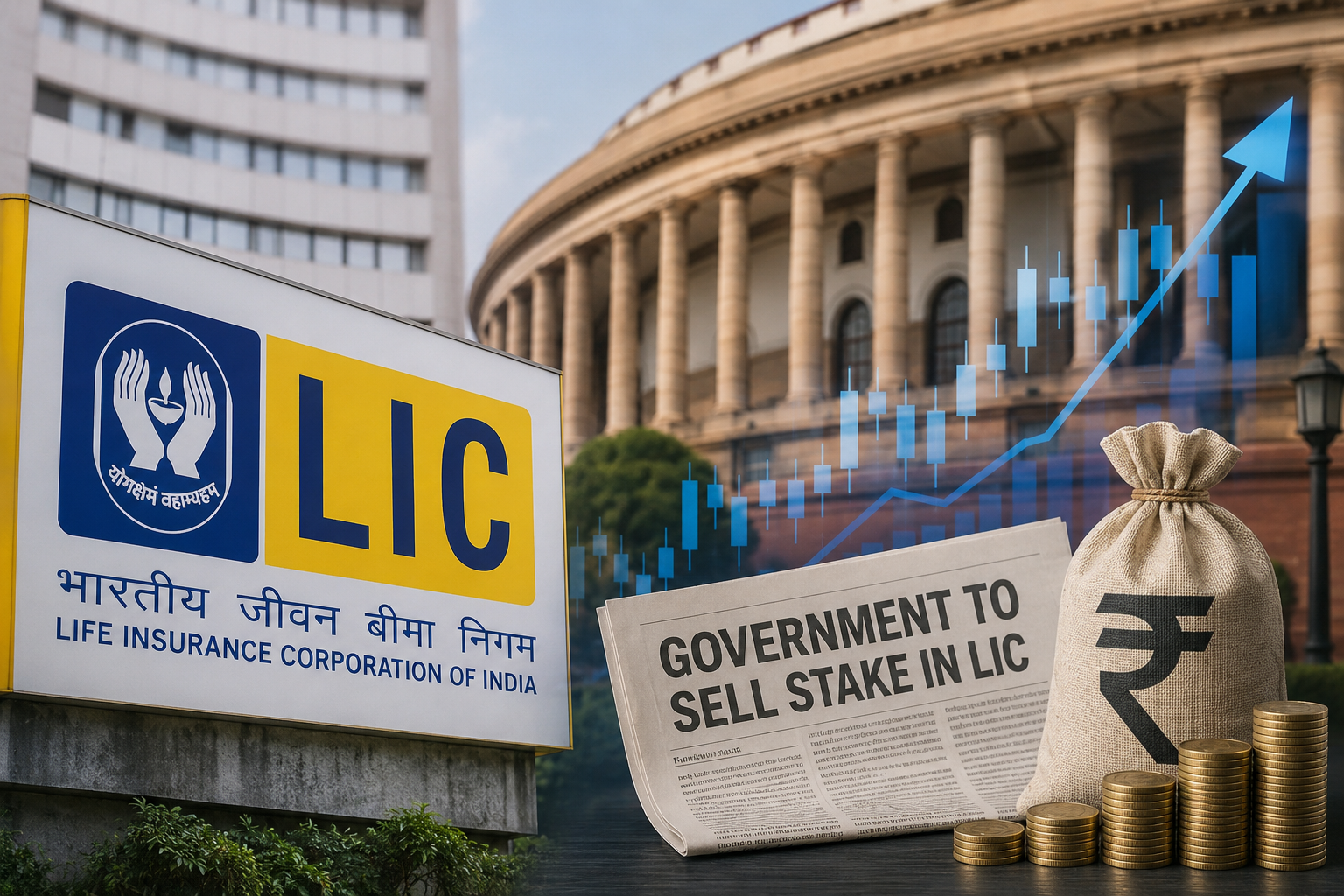
Why Do Governments Sell Stakes in Successful Companies Instead of Owning Them Forever? The Business Strategy Behind LIC's Share Sale
The Government of India has launched an Offer for Sale to divest up to 6.5% of its stake in Life Insurance Corporation of India. If fully subscribed, it could raise over ₹31,000 crore and lift LIC's public shareholding from 3.5% to 10%, helping the company meet SEBI's minimum public shareholding requirement ahead of the May 2027 deadline. For a lot of people, the news raises an obvious question: if LIC is profitable and strategically important, why sell any of it at all? The answer comes down to a distinction that's easy to miss - the difference between owning a company and actually creating value through it. Governments around the world routinely trim their stakes in successful enterprises, not because those companies are struggling, but because market development, capital allocation, governance, and fiscal priorities often matter more than holding on to every last share.

Why Is SEBI Changing India's Stock Market Timings? The Business Behind the Closing Bell
Starting 3 August 2026, SEBI has made a fairly quiet but consequential change to how India's stock markets work. Instead of calculating a stock's closing price from the average of trades in the last 30 minutes of the day, exchanges are now running a Closing Auction Session (CAS) for F&O-eligible stocks. Derivatives trading has also been pushed out to 3:40 PM so traders have time to react to the new closing price once it's set. On paper, that sounds like a scheduling tweak. It isn't. It's one of the more meaningful upgrades to Indian market infrastructure in years, and understanding why takes you straight into how exchanges actually figure out what a stock is worth.

Volkswagen and JSW: Why Global Companies Need Local Partners to Win in India
The proposed Volkswagen–JSW partnership is more than an investment deal. It reflects a fundamental business strategy that has shaped the success of multinational companies across the world.
Banking Liquidity Has Turned Negative — What Does That Really Mean?
A small number in the RBI's daily data has caught economists' attention. Here's why India's banking liquidity slipping into deficit matters more than it appears.

India's Inflation Is Rising Again - Will the RBI Raise Interest Rates?
India's retail inflation climbed to 4.38% in June 2026, pushing above the Reserve Bank of India's medium-term target of 4% for the first time in 17 months. The increase was driven largely by higher food and fuel prices, geopolitical tensions weighing on crude oil markets, and an uneven monsoon. With inflation now above target, economists are debating whether the RBI will raise the repo rate in its upcoming policy meetings. But this is about more than one number. It's a chance to understand how inflation shapes interest rates, why central banks intervene, how global events reach into household budgets, and what all of this means for consumers, businesses, and investors alike.
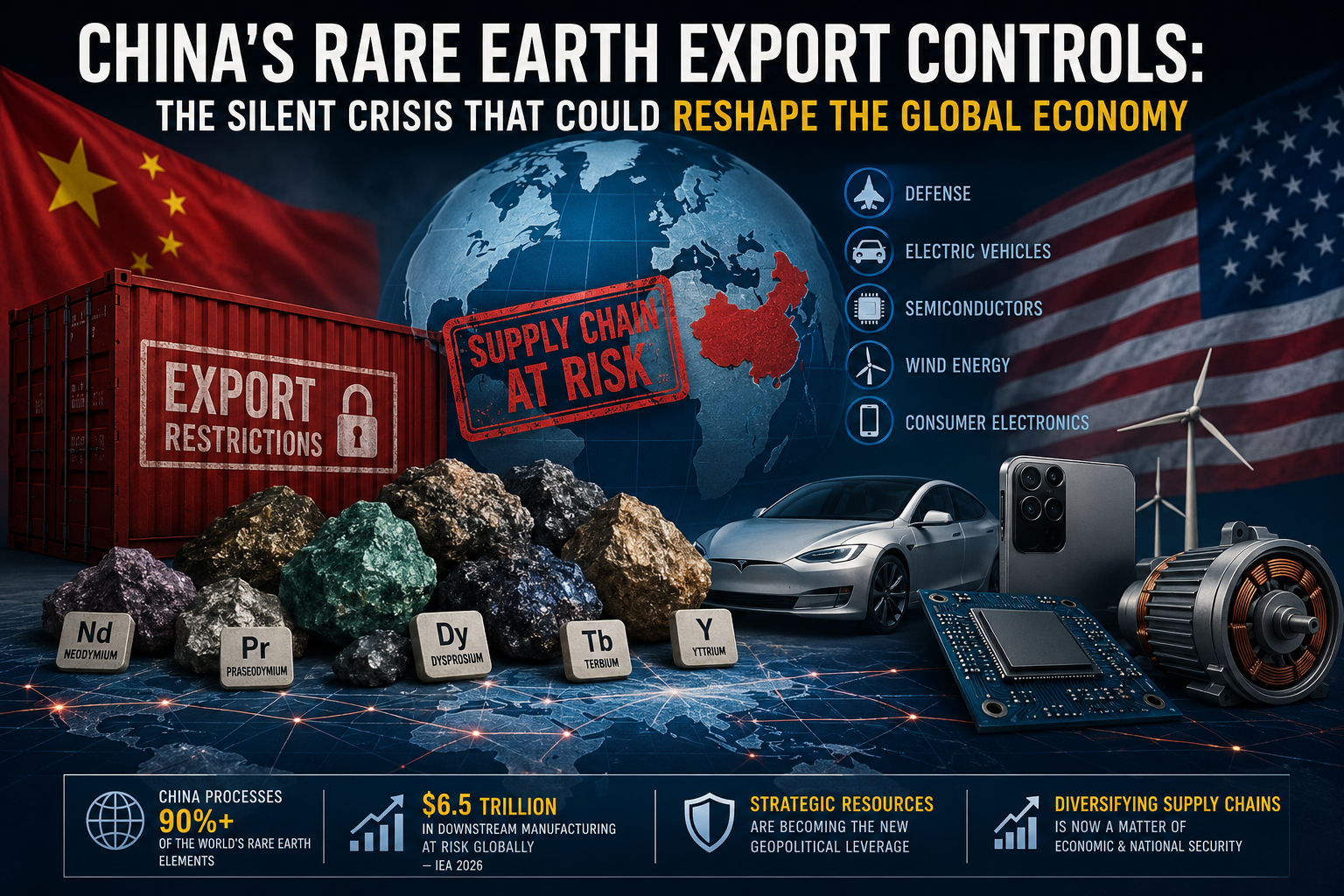
China's Rare Earth Export Controls: The Silent Crisis Reshaping the Global Economy
Headlines tend to fixate on wars, inflation, and stock market swings. But another force is quietly reshaping the global economy: China's tightening grip on rare earth exports. These elements are essential to smartphones, electric vehicles, fighter jets, AI chips, wind turbines, and medical equipment — and because China dominates their processing, its export restrictions have alarmed governments and industries worldwide. Some international assessments put trillions of dollars in manufacturing at risk if disruptions deepen. This article examines what's happening, why, and what it could mean for global trade, technology, and geopolitics over the next decade.