
Why Are Jewellery Companies Consolidating in India? The Business Strategy Behind GRT's TBZ Acquisition
GRT Jewellers' ₹1,034-crore acquisition of TBZ is more than a takeover. It shows why companies often choose to buy an established business rather than spend years building the same capabilities from scratch.

Why Do Companies Raise Money Through IPOs Instead of Bank Loans?
Every growing company eventually needs more money than it's currently making. Two of the most common ways to get it are a bank loan and an initial public offering. Both hand the company cash. Neither is objectively "better," yet companies at similar stages often make very different choices between them. The real answer isn't just about which option is cheaper on a spreadsheet. It's about what kind of bet a company is placing on its own future - how much control its founders are willing to share, how much risk they're willing to carry, and how big they actually intend to become.
Why Do Financial Companies Merge Their Own Subsidiaries? The Business Logic Behind Muthoot Finance's Merger
Muthoot Finance's decision to merge its wholly owned gold-loan subsidiary Muthoot Money is not an acquisition. It is a lesson in corporate structure, operational efficiency, capital allocation and why companies sometimes become stronger by becoming simpler.

Why Is Private Equity Buying India's Healthcare Businesses? The Strategy Behind KKR's $1.39 Billion Bet
KKR's acquisition of Medicover's Indian hospital business is more than a large healthcare deal. It offers a window into how private-equity firms identify fragmented markets, build scale and create value through acquisitions.
Your Retirement Money Is at Risk? The Finance Lesson Behind the Latest EPFO Investigation
A recent investigation involving EPFO-linked investments has sparked important questions about pension fund safety. Here's how retirement money is invested, protected, and what every investor can learn from the case.
Indian IT Stocks Are Falling, But Their Businesses Are Improving. How Is That Possible?
Indian IT stocks have remained under pressure despite relatively stable Q1 FY27 results and improving deal activity. The disconnect offers an important lesson about how investors value businesses, and why a good company can sometimes have a disappointing stock price.

Why You Don't Need 51% to Control a Company: The Changing Meaning of Corporate Control in India
Ownership and control may look like the same thing, but in modern corporate governance they can be very different. India's evolving regulatory framework is forcing businesses and investors to rethink what it really means to "control" a company.
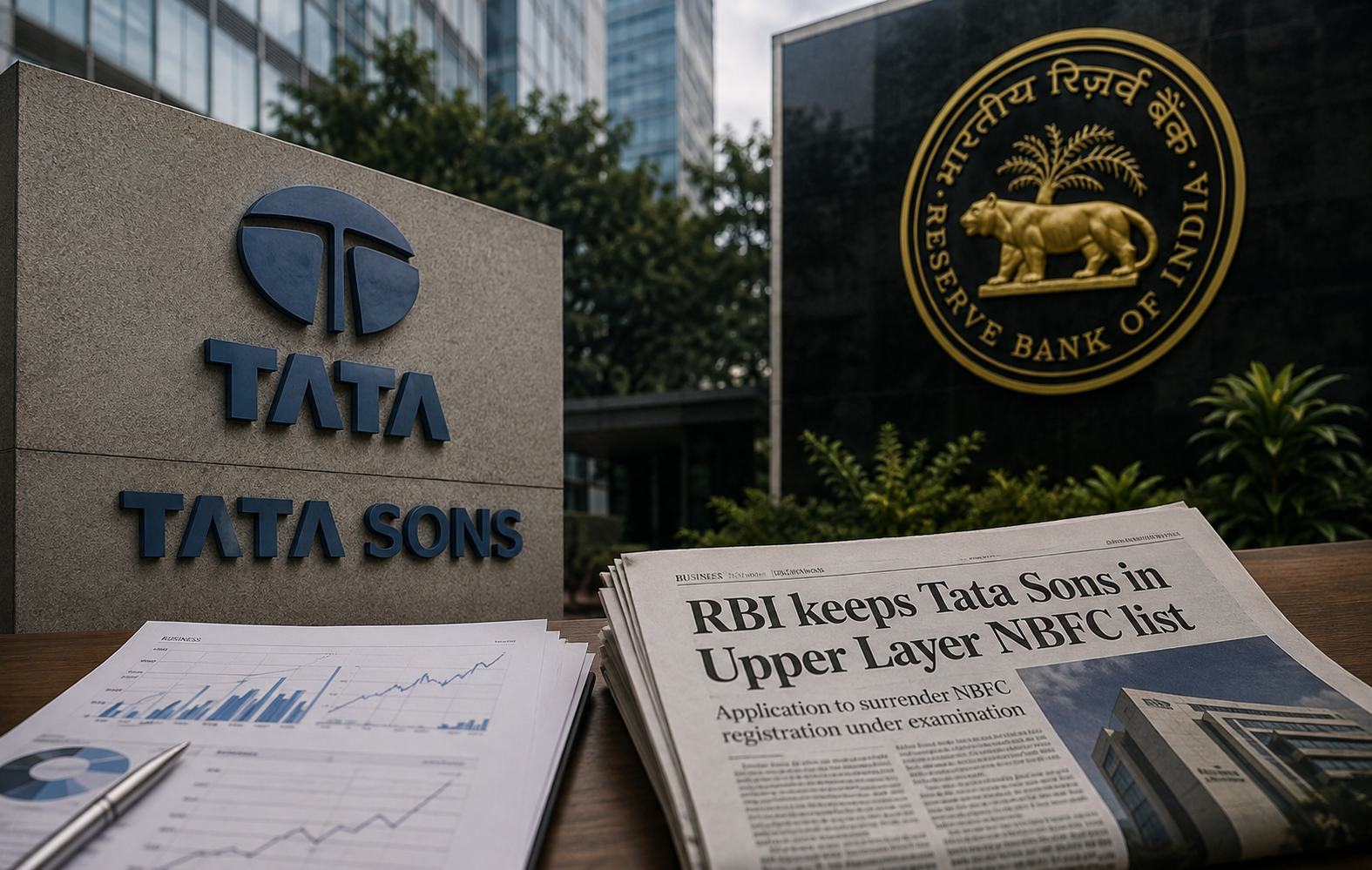
Why Is RBI Keeping Tata Sons Under Tighter Regulation? The Business Behind a Possible Tata Sons IPO
The RBI's latest decision has revived a question that could reshape one of India's most closely held business groups: does Tata Sons, the holding company at the centre of the Tata empire, eventually have to become a publicly listed company?
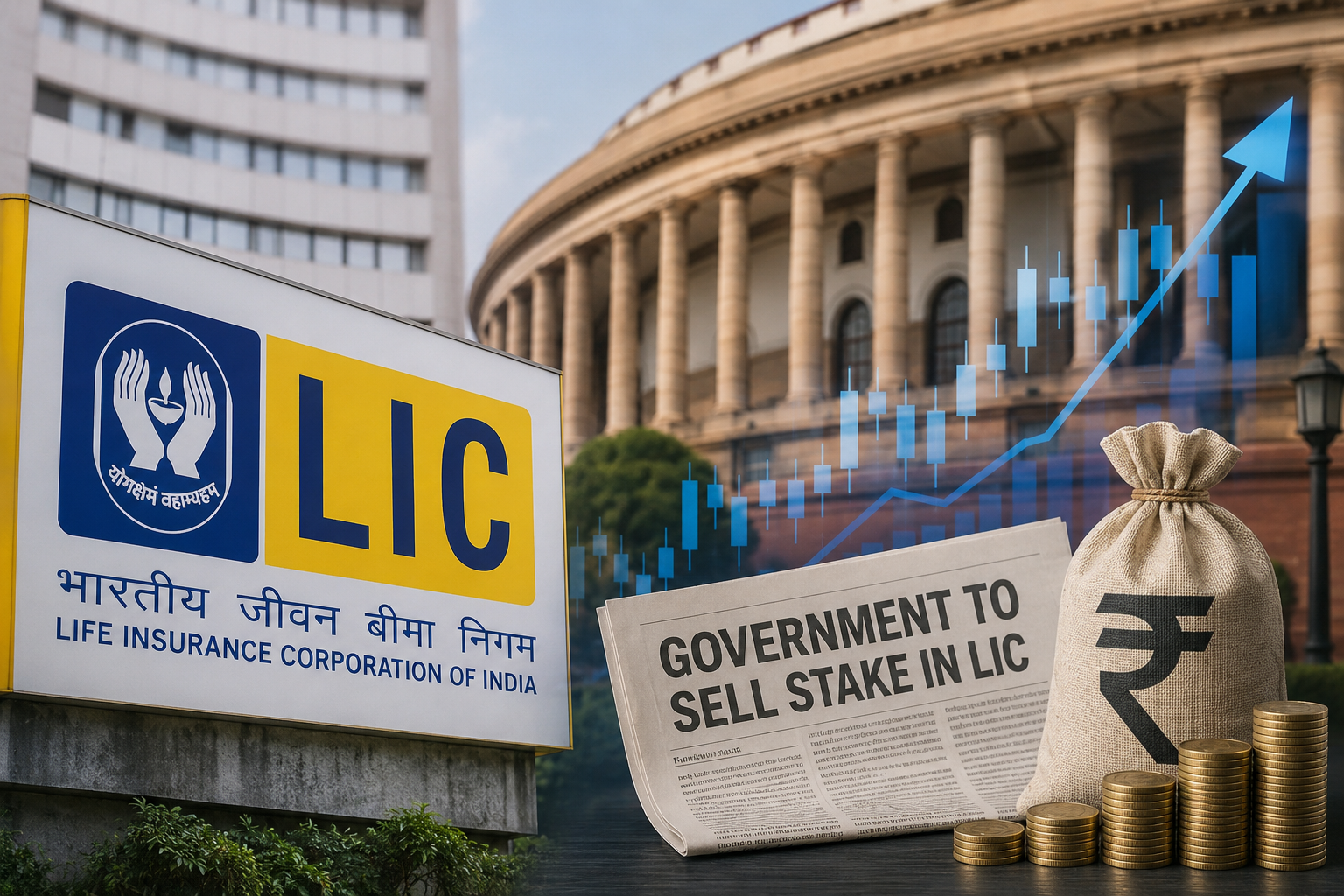
Why Do Governments Sell Stakes in Successful Companies Instead of Owning Them Forever? The Business Strategy Behind LIC's Share Sale
The Government of India has launched an Offer for Sale to divest up to 6.5% of its stake in Life Insurance Corporation of India. If fully subscribed, it could raise over ₹31,000 crore and lift LIC's public shareholding from 3.5% to 10%, helping the company meet SEBI's minimum public shareholding requirement ahead of the May 2027 deadline. For a lot of people, the news raises an obvious question: if LIC is profitable and strategically important, why sell any of it at all? The answer comes down to a distinction that's easy to miss - the difference between owning a company and actually creating value through it. Governments around the world routinely trim their stakes in successful enterprises, not because those companies are struggling, but because market development, capital allocation, governance, and fiscal priorities often matter more than holding on to every last share.

Why Is SEBI Changing India's Stock Market Timings? The Business Behind the Closing Bell
Starting 3 August 2026, SEBI has made a fairly quiet but consequential change to how India's stock markets work. Instead of calculating a stock's closing price from the average of trades in the last 30 minutes of the day, exchanges are now running a Closing Auction Session (CAS) for F&O-eligible stocks. Derivatives trading has also been pushed out to 3:40 PM so traders have time to react to the new closing price once it's set. On paper, that sounds like a scheduling tweak. It isn't. It's one of the more meaningful upgrades to Indian market infrastructure in years, and understanding why takes you straight into how exchanges actually figure out what a stock is worth.

Volkswagen and JSW: Why Global Companies Need Local Partners to Win in India
The proposed Volkswagen–JSW partnership is more than an investment deal. It reflects a fundamental business strategy that has shaped the success of multinational companies across the world.